Last updated July 2026 · Stay Off The Roof — Outdoor Lighting Experts · ROC #344820 · Phoenix metro
The gap between a $4,000 landscape lighting job and a $15,000 one is rarely the number of fixtures — it’s what those fixtures are made of, how many features get lit properly rather than partially, and whether the electrical was designed or guessed at. Two quotes for the same property can differ by four times and both be honest. What separates them is worth understanding before you choose, because the cheaper one is not always the worse buy and the expensive one is not automatically better.
1. What the fixture is made of
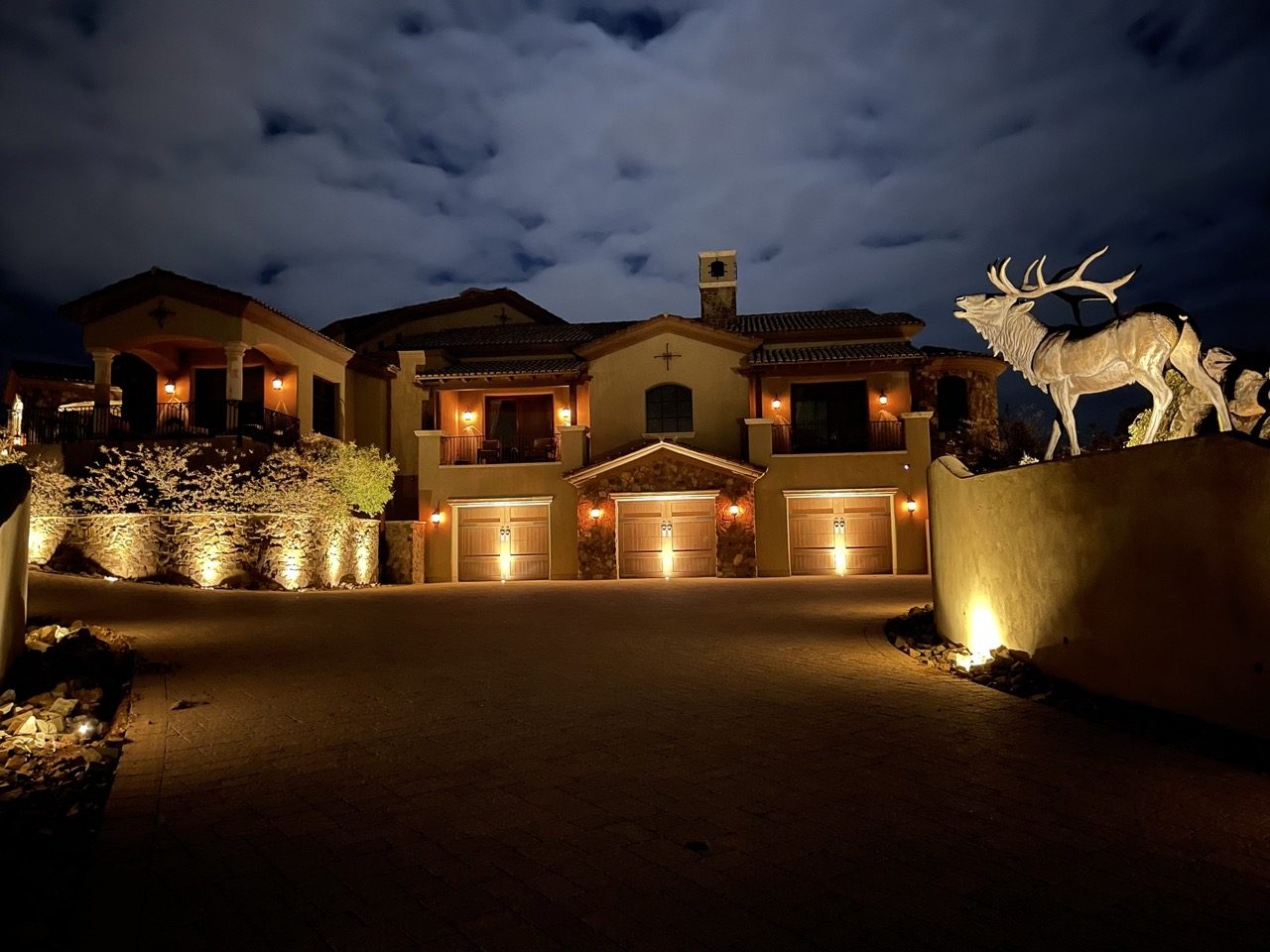
This is the single biggest line-item difference, and it’s almost invisible on install day. A cast brass fixture and a painted aluminium one can look nearly identical the week they go in. Two Arizona summers later they don’t. Brass oxidises to a patina and keeps working; cheaper housings chalk, fade, and eventually let water in at the seal.
We carry a full range from Lumien Lighting and Garden Light LED precisely because the right fixture depends on the property — but on a home you intend to keep, the fixture material is where the money is best spent. It’s also the hardest thing to change later, because replacing fixtures means re-doing connections across the whole system.
2. Whether features are lit properly or just lit
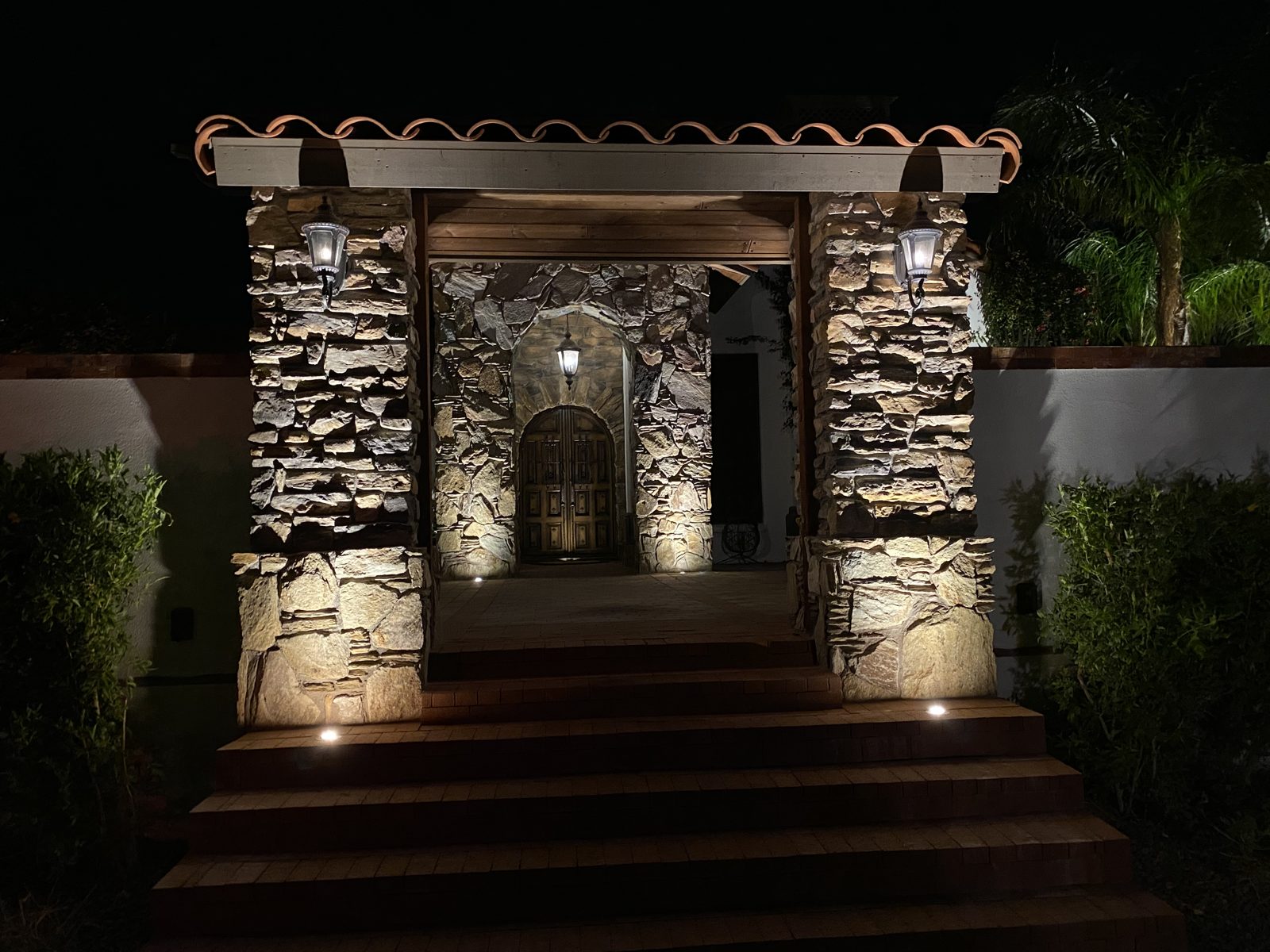
A mature mesquite lit with one fixture from the front is lit. The same tree with two or three fixtures at different angles has depth, shows its branch structure, and throws shadow onto the wall behind it. Same tree, same evening, very different result — and roughly triple the cost for that one feature.
Multiply that across six specimen trees, a façade, an entry, and a walkway and you have most of the spread between the two quotes. The cheaper bid usually isn’t cutting corners; it’s lighting more things thinly instead of fewer things well. Which is the right call depends entirely on what you want the property to look like.
3. The electrical you’ll never see
Transformers, wire gauge, and how runs are split don’t appear in photographs and don’t show up on install day. They decide whether the far end of the property still looks right in year three. Heavier wire on long runs, multiple transformers placed near their loads, and runs calculated rather than guessed at all cost money up front and are the difference between a system that ages well and one that doesn’t. If you want to see what that work involves on site, this is how professional companies install low voltage landscape lighting.
This is where the two quotes diverge most invisibly. We covered the mechanics in landscape lighting for large properties, but the short version for comparing bids: ask how many transformers are specified and how the wire runs were sized. A bidder who calculated it can tell you. One who didn’t will change the subject.
4. Control and zoning
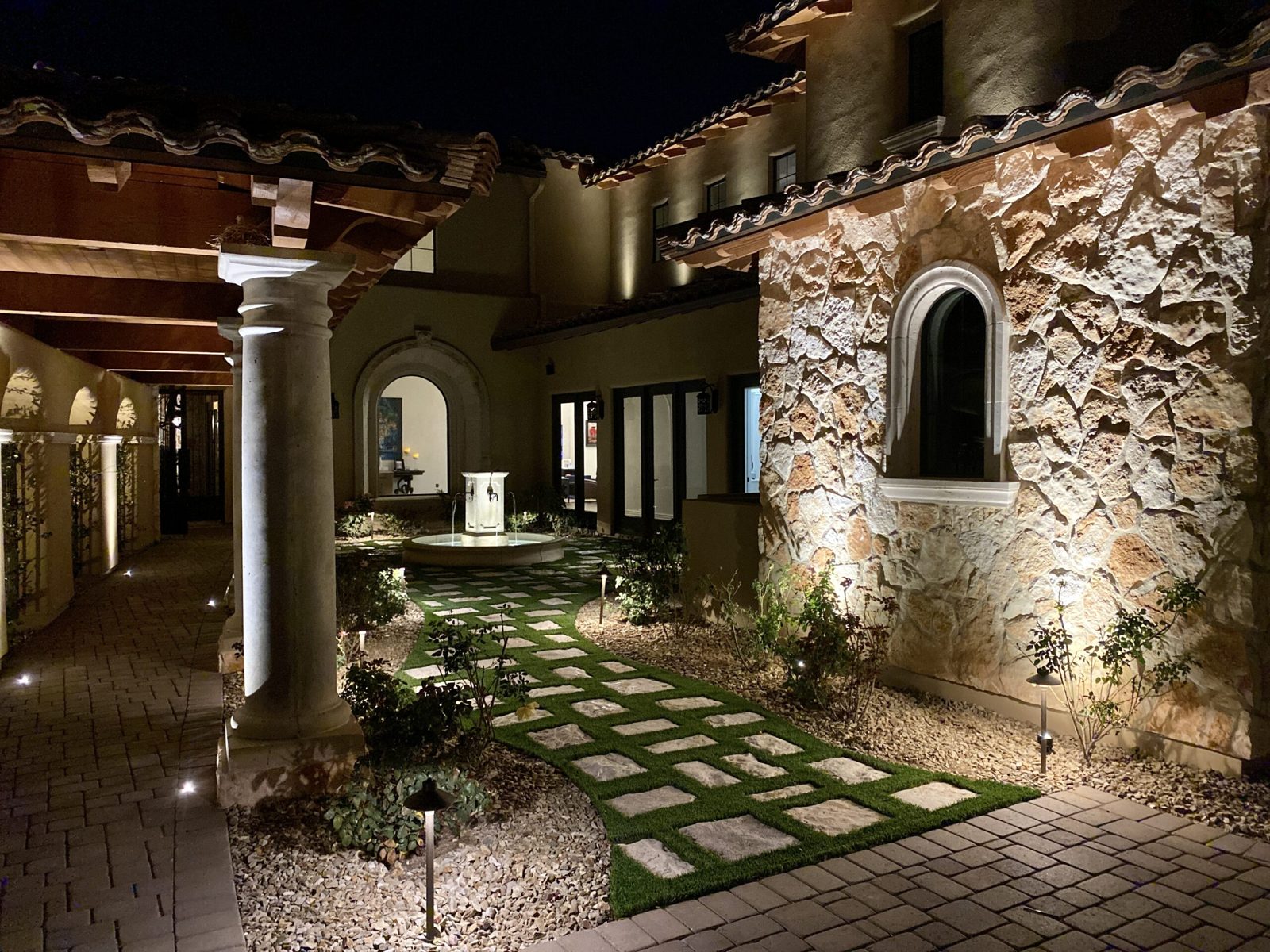
At the entry level, everything is on one circuit with a basic timer — all on at dusk, all off at a set hour. Further up, the system is zoned so the entry and drive can run late while the back garden shuts down earlier, with smart control from your phone and seasonal schedule adjustment.
Zoning also makes the system diagnosable. When something misbehaves on a zoned system we’re looking at one defined section rather than tracing a single circuit across the entire property.
5. Design time
Some quotes are produced from a walk around the property in daylight and a fixture count. Others come from seeing the property after dark, working out what the house and planting actually want, and designing to that. The second takes longer and shows.
It’s also the least visible thing you pay for, and the one that most determines whether the finished result looks composed or assembled.
6. What happens after install
Fixtures drift out of aim. Planting grows in front of them. Granite settles. A system installed and abandoned looks noticeably worse within eighteen months, regardless of what was spent on it.
Every landscape and architectural install we do includes free scheduled maintenance for the first year, which is when most of that drift happens. When comparing quotes, it’s worth asking what — if anything — the other bids include after the crew drives away.
So what should you actually spend?
Our packages start at $2,500, and a typical Phoenix front-yard design runs $3,000 to $7,000 installed. Larger properties and full front-and-back designs move above that.
The advice we’d give regardless of who you hire: if the budget is fixed, light fewer things properly rather than everything thinly. A well-lit entry and three well-lit specimen trees will do more for the property than twenty fixtures spread thin — and it leaves a system you can extend later rather than one you’ll want to redo. Where that money goes depends on how you use the property: if your evenings happen out back, the case for outdoor deck lighting usually comes before another tree out front.
See landscape lighting for how a full design comes together, pathway lighting for walks and entries, or desert tree uplighting for specimen work — including how a mature saguaro gets uplit without damaging it.
Frequently Asked Questions
Why are two landscape lighting quotes so different?
Usually fixture material, how thoroughly each feature is lit, and the electrical design. Two honest bids on the same property can differ several times over because one is lighting twelve features thinly with aluminium fixtures on a single transformer and the other is lighting five features properly in brass with the runs calculated.
Are brass fixtures worth the extra cost in Arizona?
On a home you plan to keep, generally yes. Arizona sun is hard on painted and plastic housings, which chalk and fade and eventually fail at the seal. Brass develops a patina and keeps working. It’s also the component that’s most disruptive to replace later.
What should I ask when comparing bids?
Four questions: what the fixtures are made of, how many fixtures are going on each major feature, how many transformers are specified and how the wire runs were sized, and what maintenance is included after install. The answers separate the bids faster than the prices do.
Is a cheaper landscape lighting quote always worse?
No. A lower bid may simply be scoped smaller, which can be the right choice if you’d rather start with the entry and front and expand later. What matters is knowing which it is — smaller scope, or the same scope built with less behind it.
Get a quote that shows its work.
Free after-dark design consultation, in person, with the reasoning explained. We design. You shine.

